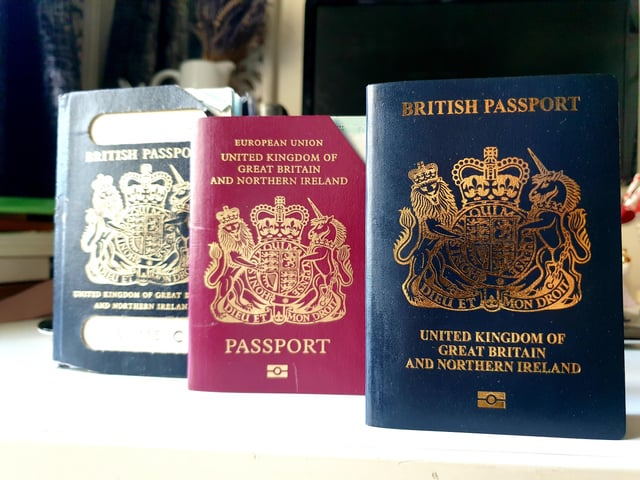
“Have you got a passport?”
“Yes.”
“Good. You’re flying to Hong Kong.”
“I’ve never been to Asia.”
“You’ll be fine.”
That was it.
No grand plan. No five-year strategy. No idea that one conversation would shape the next three decades of my career.
This was the year 2000. International business was very different. There were no video calls, no WhatsApp, no instant translation. We travelled with folders full of engineering drawings, relied on fax machines, and waited days—not seconds—for answers.
Every trip meant long-haul flights, lengthy customs procedures, intense border security, and crossing a cultural divide that, at the time, felt worlds apart. Business wasn’t built through screens. It was built by showing up, shaking hands, listening carefully, and earning trust.
Factory visits were an education in themselves. Development drawings were often hand-sketched or covered in handwritten notes. Sample rooms were filled with prototypes, each one representing weeks or months of refinement. Supply chain assessments meant walking production lines, inspecting machinery, reviewing quality systems, and understanding how products were actually made—not simply reading reports or dashboards.
Quality wasn’t something you monitored remotely. You checked materials, measured tolerances, questioned manufacturing methods, reviewed packaging, and learned to recognise the difference between a supplier that could meet expectations… and one that couldn’t.
Looking back, I didn’t realise it then, but those factory floors became my classroom. They taught me that successful manufacturing isn’t just about making products—it’s about building relationships, understanding different cultures, respecting craftsmanship, and never compromising on quality.
Sometimes the biggest opportunities don’t arrive with certainty.
They arrive with a boarding pass.
Next stop… Hong Kong.
#KeepBuilding